Composting and Gardening: A Practical Guide
· Editorial team, trowelandtime.com
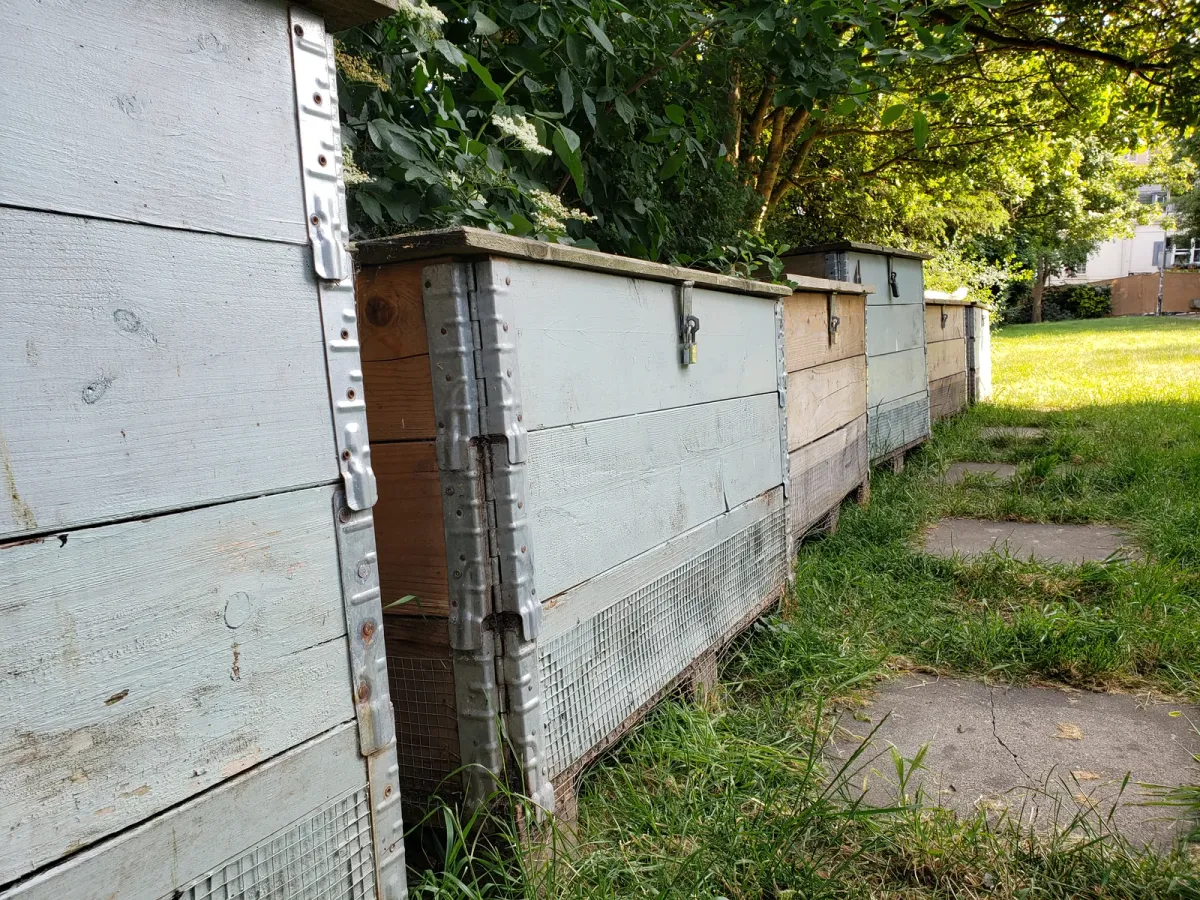
Compost is a soil amendment, not a complete soil and not a bin brand
Composting and gardening belong together when the heap is treated as a process: mix suitable waste, keep it moist and aerated, let it finish, then use it as part of a soil, not as a magic substitute for one. A closed plastic cone or an open bay can both work. A heap of wet grass, left unaired, will not. University extension services are the official place to confirm local rules, rat-proofing, and how to use finished compost in your climate. University of Minnesota Extension’s raised-bed and vegetable pages, among others, treat compost as a way to improve soil, not as a licence to skip a soil test.
This guide stays qualitative where rates vary, and it will not invent temperatures you must hit unless they come from a method you have actually chosen to follow, such as a documented composting standard. It will not tell you to compost meat, pet feces, or diseased material that official local guidance asks you to keep out. Check those lists for your area.
Finished compost is dark, crumbly, and no longer looks like the banana peel you put in. If you can still identify most of the ingredients, it is not finished.
A table of what can go in, and what the garden actually wants later
| Material or product | Role in the heap | Use in the garden, once finished | A common problem |
|---|---|---|---|
| Dry leaves, shredded paper or card, straw, small woody prunings | Carbon-rich “browns,” structure and air | Fine, finished material can be mixed or used as a mulch layer | Whole leaves in a wet mat, which can go slimy |
| Fruit and vegetable scraps, coffee grounds, fresh grass in thin layers | Nitrogen-rich “greens,” moisture and food for the process | Once finished, part of a mix; not a reason to pile raw scraps on a bed | Too much wet grass, which smells and mats |
| Garden trimmings, if not a problem species or a serious disease case | Mixed, chopped, added in layers | Same as other finished compost, after it has actually broken down | Seeding weeds into the heap if it never heats or never finishes |
| Finished compost | — | Mix into mineral soil, or use as a surface dressing; do not expect a bed of pure compost to behave like loam | Filling a raised bed with compost alone |
| Raw manure | A special case; see official guidance, and the later article on poultry waste if that is what you have | Not a side-dressing on a crop that is about to be harvested; intervals and composting rules exist for a reason | Fresh manure against plant stems, which can burn and which has food-safety implications |
| Meat, grease, cat or dog feces | Generally keep out, unless a specialist system and official rules say otherwise | Do not use in a home food garden | Odour, pests, and pathogens you did not intend to cultivate |
Chop larger pieces. Mix browns and greens as you add them, rather than building a wet, green core. Keep the heap as damp as a wrung-out sponge, not as a puddle. If it smells sour or like ammonia, add browns and air. If it is dry and still, add water and a bit of green material, and mix.
A fork, a pair of gloves, and a bin or a bay that you can actually turn will do more than a gadget. Site the heap on bare soil or on a well-drained surface you can manage, within a hose’s reach, and not against a neighbour’s window. Local ordinances may set setbacks; read them.
How to use compost in a garden without wasting it
Spread finished compost and mix it into the soil, or apply a modest surface layer and let worms and weather help, depending on the official advice you follow and on whether you are preparing a bed or mulching around established plants. In vegetable ground, compost is one ingredient. A soil test will tell you whether you also have a nutrient excess, which is as possible as a deficit if you add compost very heavily year after year.
Do not put unfinished compost against seedlings as a rich dressing. It can rob nitrogen as it continues to break down, or it can simply be too coarse and too lively. If you are filling a new bed, combine compost with a mineral soil or a topsoil as a local extension mix recommends, then plant.
Keep raw kitchen scraps out of the open bed, except in a designed, covered system you are prepared to manage. A shallow bury of a banana peel in a tomato hole is not a composting method, and it can attract animals.
Wash hands and tools after handling compost, especially if manure has been in the heap. That is ordinary hygiene, not a scare.
If you have little space, a single enclosed bin, emptied and turned when you can, is enough to learn the process. Two bays are more convenient, because one can rest and finish while the other takes fresh waste. That is a labour-saving layout, not a requirement. Label a “finishing” heap so that kitchen scraps stop going into the batch you plan to spread this spring.
A practical checklist
- I have a local list of what may and may not go in
- Browns are as available as greens, and I can mix them
- The heap can be kept moist and can be turned or otherwise aerated
- I will only use compost in the garden when it has actually finished
- Vegetable beds will get compost as part of a soil, not as the entire soil, unless an official mix says otherwise
- Hands and tools are washed after handling the heap
- Neighbour, pest, and ordinance issues have been thought about
Questions gardeners ask when the bin is already smelly
How long does compost take?
It depends on the particle size, the mix, the moisture, the air, and the season. A well-managed heap can be quicker than a neglected pile, which can take a year or more. Official local guidance will be more precise for your climate than a single number here would be. The honest test is the finished look and smell, not the calendar alone.
Can I compost in winter?
You can add materials; the process usually slows in the cold. Keep adding browns and wait for warmer weather to finish the job, unless you have a system and a climate that stay active. Do not assume a frozen pile is finished.
Is bought compost better than homemade?
It is more convenient, and quality varies. Read what is in the bag, and avoid products with a strong ammonia smell or a lot of large, raw chips if you need a finished amendment now. Homemade compost is cheaper in cash and dearer in time. Both should be finished before they go on a bed.
How much compost should I add each year?
Enough to improve the soil you have, not so much that you are farming a compost heap. Follow a soil test and a local extension rate. We will not invent a universal centimetre depth that fits every bed.